
A room can be beautifully designed and still leave its visitors feeling like strangers. Another, perhaps less remarkable at first glance, may become a place they remember fondly. The difference is not always found in the architecture. Sometimes it lies in the welcome, the familiarity of a setting or the small details that make people feel at ease.
The Emotional Brief sets out the experience a place should offer and the part fragrance might play in it.
Defining the Experience
We begin by discussing what the client wants people to feel during their time in the space.
A private residence might need to feel familiar and reassuring. A hotel may wish to convey a sense of occasion without sacrificing the comfort of its guests. For a members’ club, discretion may be more important than an immediate impression.
Words such as warmth, intimacy or elegance are useful beginnings, but they need interpretation. What feels welcoming in a family home may seem out of place in a contemporary hotel. We explore these distinctions with the client, keeping in mind the character of the property and the people it is meant for.
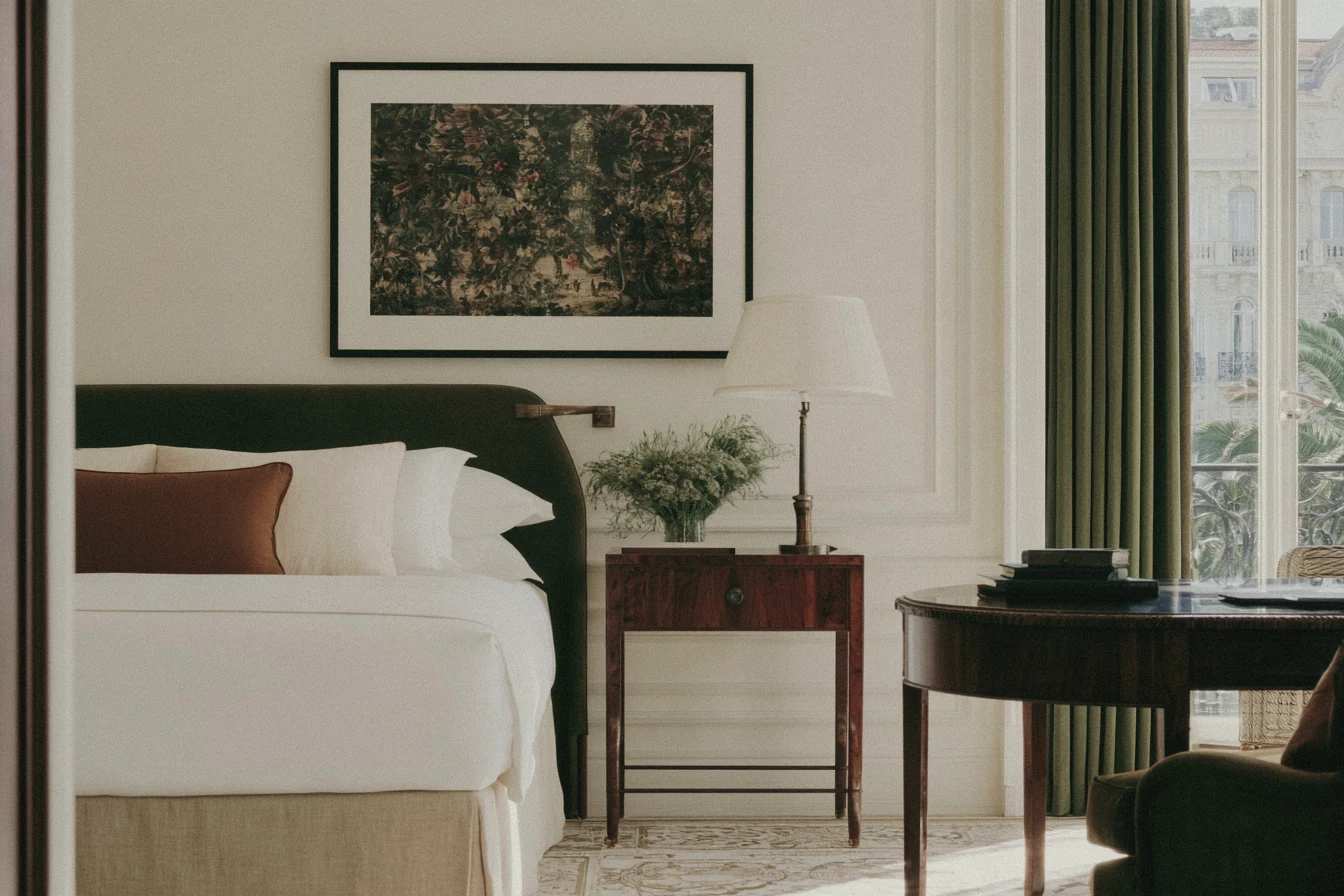
The aim is to arrive at an emotional direction that belongs to the place, rather than one borrowed from a general idea of luxury.








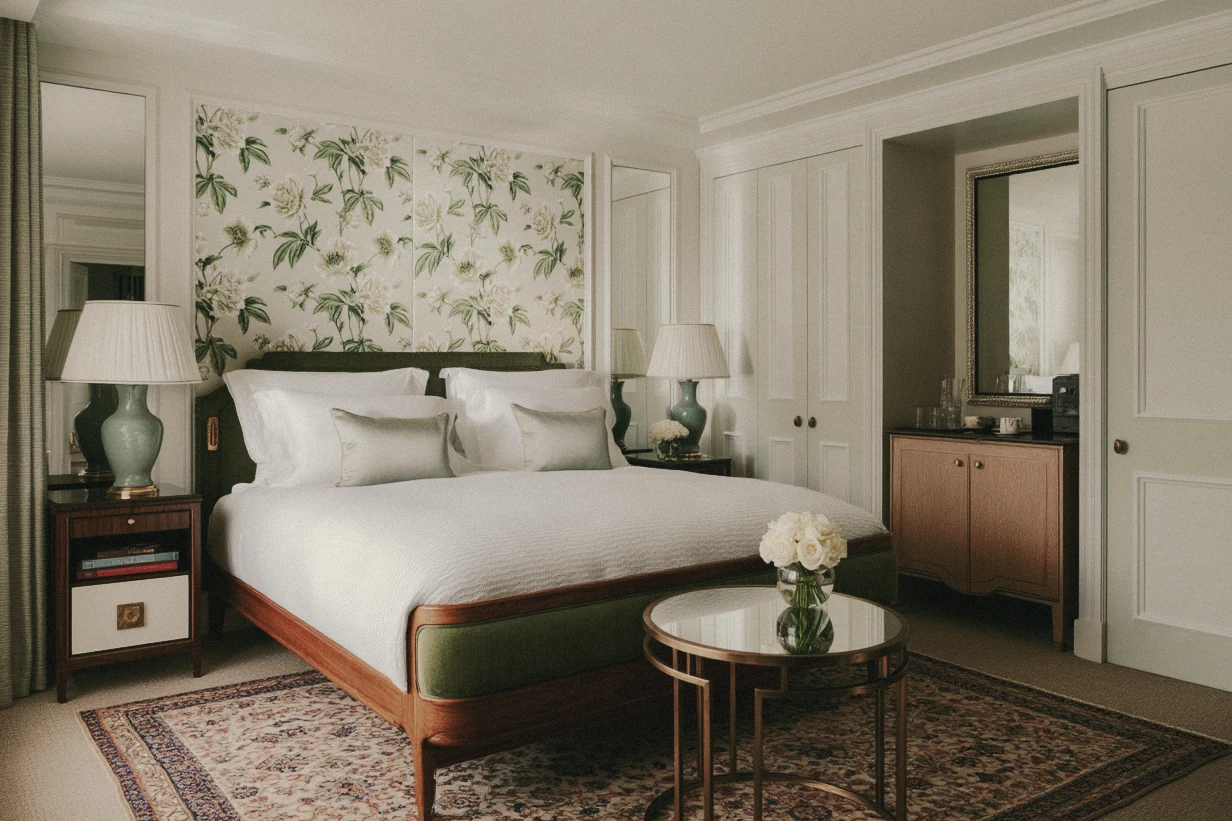
Establishing Boundaries
A useful brief is as clear about what does not belong as it is about what might.
Certain materials or associations may conflict with the character of the property. Others may be appealing on their own but wrong for the people who will use the space.
These decisions help define the creative boundaries within which the fragrance will be developed.
The completed Emotional Brief brings together the client’s intentions, the character of the place and the references that may give its fragrance meaning. It is the starting point for the next stage, Olfactory Direction.
Related