Places
Members’ Clubs
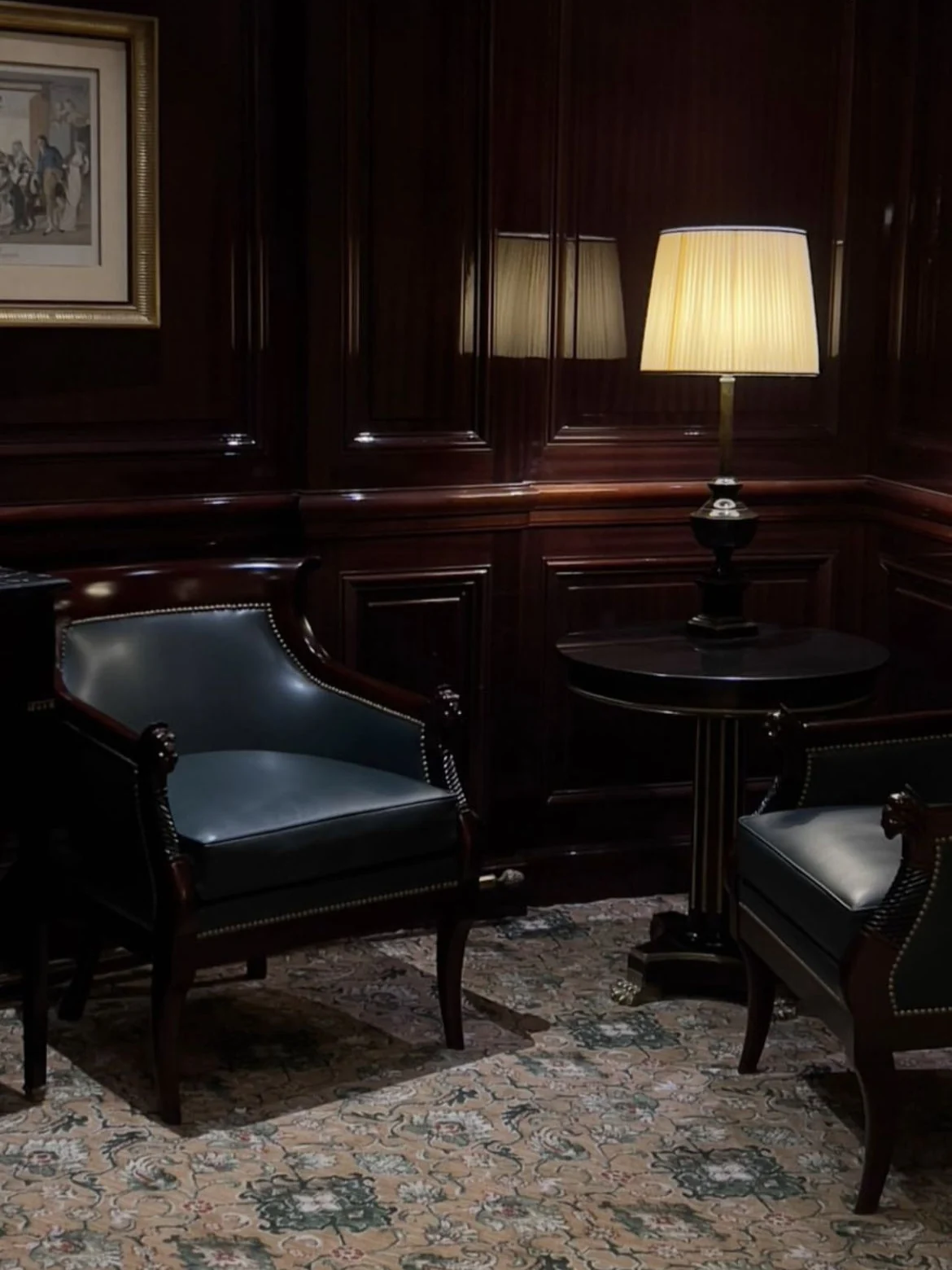
The quiet familiarity of a place one returns to.
There are rooms that become familiar without our quite noticing. The same chair by the window, a favourite table, the sound of a door closing somewhere beyond the library. A members’ club is made as much by these small habits as by its architecture.
Over time, the rooms acquire a life of their own. Books are added to shelves, leather softens with use, flowers are replaced, and conversations continue long after dinner. For those who return regularly, such details become part of the pleasure of belonging.
Fragrance enters an environment where much is already understood without being said.
A Familiar Presence
Some clubs carry their history visibly, in old panelling, portraits and rooms that have changed little over the years. Others have a more contemporary character, shaped by the interests of their members and the way they choose to spend time together.
Both give plenty to work with for an olfactory direction.
A fragrance might take its cue from polished wood, the dry quality of paper, or the green freshness of branches brought indoors. Such references need not be translated literally. They can provide a starting point for a composition with its own character.
In rooms where members spend many hours, a discreet presence usually works better than a fragrance that announces itself at the door.
The Rooms Within
A club rarely has a single atmosphere.
The library may be occupied throughout the afternoon, while the bar becomes livelier towards evening. There are rooms for private conversation, others for work, and dining spaces where the aromas of food and wine deserve to remain undisturbed.
These differences influence where fragrance is introduced and how it is managed.
We look at how members move between rooms, how each room is ventilated and how long people stay. Adjoining spaces matter too, since a fragrance can drift beyond the room it was meant for.
Part of the Club
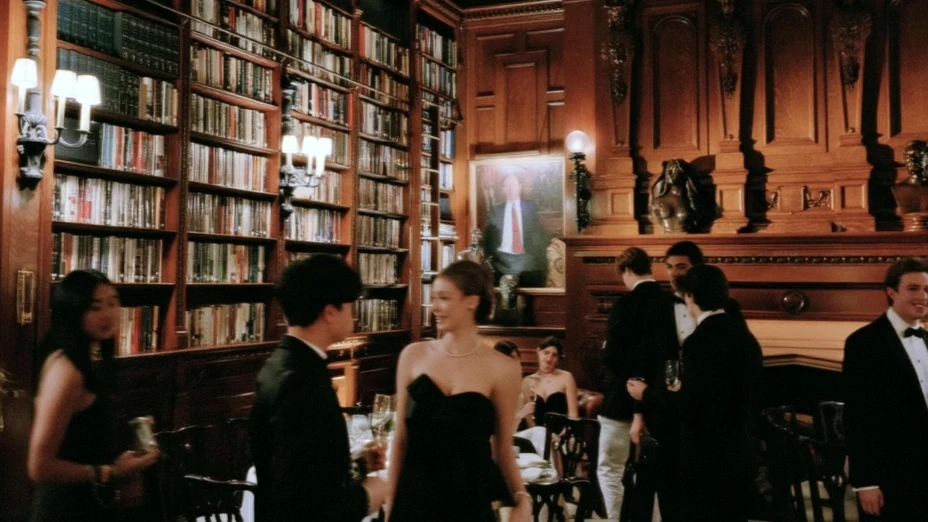
An established club has customs that are not always written down. The staff know which rooms members favour, when the building is busiest and how its atmosphere changes during the day. That knowledge can be as useful as the original design drawings.
For a new club, the conversation may begin earlier, with the architect, interior designer and the people defining its identity.
OLFO works with all of this in mind, from the first composition to its introduction and ongoing care.
The best result may be a scent members come to recognise without ever feeling the need to mention it.
Related